
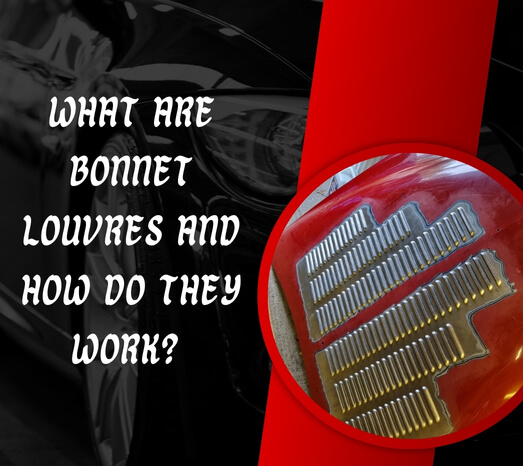
What Are Bonnet Louvres and How Do They Work?
In the world of industrial ventilation, bonnet louvres play a critical role in protecting equipment and buildings from harsh weather while ensuring proper airflow. If you’ve ever wondered how factories, warehouses, or even commercial kitchens maintain air circulation without letting rain or debris inside, bonnet louvres are often the unsung heroes. What Is a Bonnet Louvre? A bonnet louvre is a type of external ventilator installed on rooftops or walls that allows air to flow in and out of a building while shielding it from rain, snow, dust, and other environmental elements. Unlike standard open vents, bonnet louvres have a hood-like structure—resembling a “bonnet”—that deflects precipitation and prevents water ingress. Typically made from durable materials like aluminum, galvanized steel, or stainless steel, bonnet louvres are designed to withstand harsh weather conditions while requiring minimal maintenance. Key Components of a Bonnet Louvre Hood/Bonnet: The outwardly curved or angled top that prevents rain and debris from entering the duct or interior space. Louvre Blades: Fixed or adjustable slats that guide airflow while providing protection from direct sunlight, rain, or wind. Frame: Supports the blades and bonnet, ensuring the unit can be securely installed on rooftops or walls. Drainage Features: Some bonnet louvres include channels or slopes that direct water away from the vent opening. How Do Bonnet Louvres Work? The principle behind bonnet louvres is simple yet highly effective. Airflow is allowed through the louvre blades, but the hooded design deflects rain and debris away from the opening. Here’s how it works in practice: In essence, bonnet louvres combine protection and performance—a balance that’s crucial for industrial and commercial ventilation. Benefits of Bonnet Louvres Where Are They Commonly Used? Conclusion Bonnet louvres may not grab attention like other architectural features, but they are a critical component of modern ventilation systems. By combining effective airflow with weather protection, they ensure buildings stay safe, dry, and well-ventilated year-round. For anyone designing or maintaining ventilation systems, understanding bonnet louvres is essential—they’re the quiet protectors keeping your air moving efficiently.